Menu
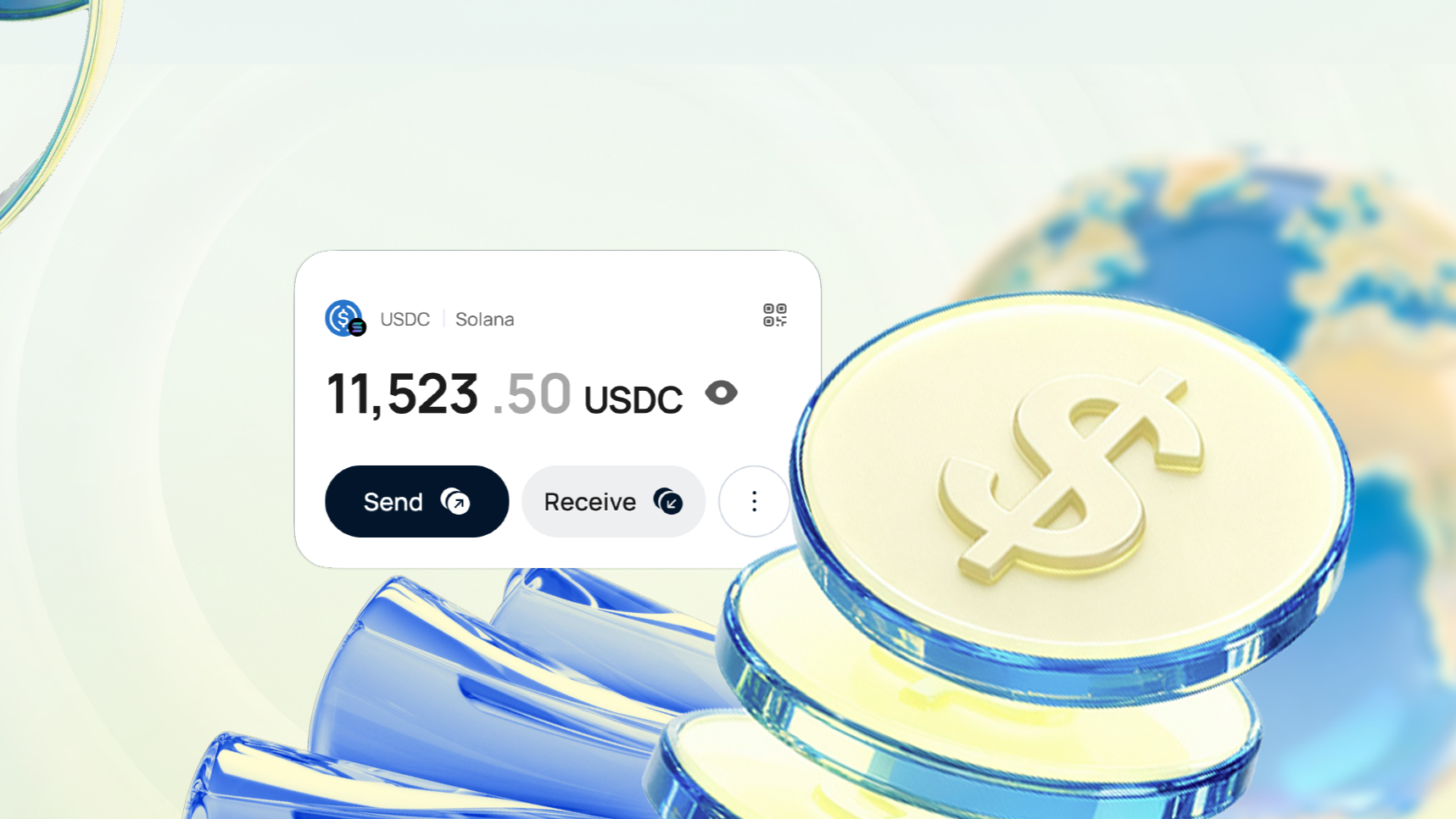
“Stablecoin”, “USDC”, “digital dollars” these terms can sound like complicated crypto jargon.
But behind the buzzwords, stablecoins such as USDC are digital assets designed to maintain a value close to the U.S. dollar, making them useful for holding and moving dollar-denominated value digitally.
If you’ve ever needed to receive money from abroad, move value across borders, or hold part of your funds in a dollar-denominated asset, you may have come across stablecoins.
USDC, or USD Coin, is a dollar-denominated stablecoin issued by Circle.
It is designed to maintain a 1:1 value with the U.S. dollar and is backed by reserves intended to support the value of USDC in circulation.
This makes USDC different from cryptocurrencies such as Bitcoin or Ether, whose market prices can fluctuate significantly.
The idea behind a stablecoin is to combine the digital transferability of blockchain-based assets with a value designed to remain close to a traditional currency.
Across Nigeria and other markets, stablecoins have become one way people and businesses interact with dollar-denominated value digitally.
Some common use cases include:
In practice, USDC can provide a digital way to hold and transfer dollar-denominated value without requiring the sender and recipient to use the same traditional banking infrastructure.
Like any financial or digital asset, USDC comes with risks.
There are, however, several features that users consider when evaluating it:
Good security practices still matter. Users should:
Stablecoins have moved beyond being purely a crypto-native product.
Depending on the platform and jurisdiction, people use USDC to:
When combined with a financial platform that supports USDC, local currency wallets and cards, stablecoins can become another way to manage and move money across different financial systems.
USDC doesn't eliminate inflation, FX risk or the risks associated with digital assets.
But for people whose work, businesses and financial lives cross borders, it can provide another option for holding and moving dollar-denominated value.
With OneDosh, eligible users can manage supported stablecoins alongside their other financial tools, giving them more flexibility in how they manage their money across borders.
Explore OneDosh to learn more about managing your money across currencies and financial networks.