Menu
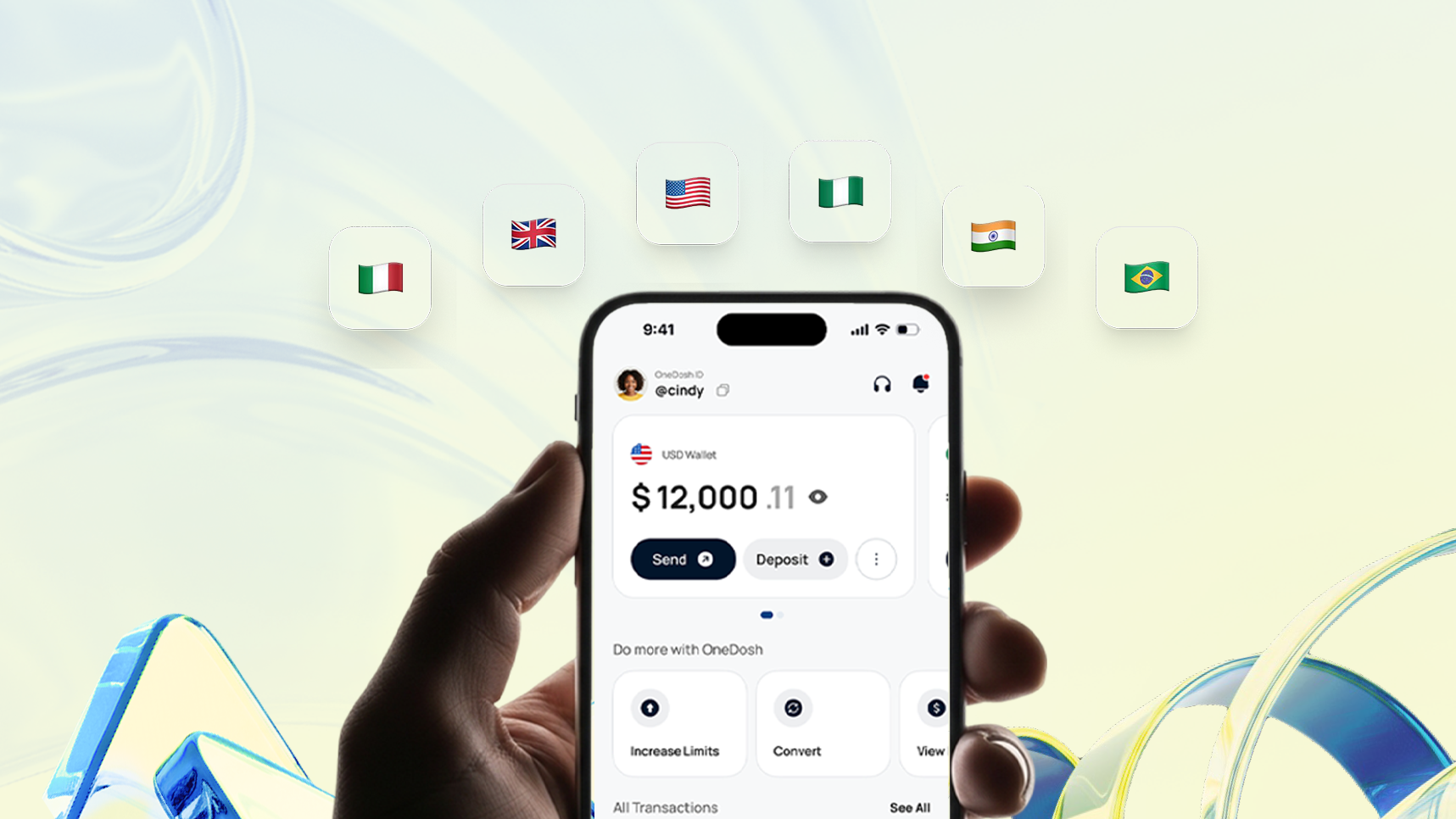
Sending money across borders shouldn't feel like an extreme sport.
Yet for many people, one wrong click can mean losing hundreds of dollars to a convincing scam.
The good news?
You don't need to be a security expert to reduce your risk. A few simple checks before you hit “send” can go a long way.
If a money service has little information about who operates it, where it's based, or how to contact it, pause before using it.
Scammers often create copycat websites, fake social media accounts and promotions designed to look like legitimate financial services.
Before using a platform:
Do your research before trusting a platform with your money.
Scammers often impersonate people you already know: a relative, a friend using a new number, or even a supposed customer-support representative.
Before sending money:
If someone is pressuring you not to verify the payment, that's a reason to slow down, not speed up.
Many scams rely on urgency and emotion:
Real emergencies happen, but urgency shouldn't stop you from verifying what's happening.
Take a moment. Ask questions. Contact someone who can confirm the situation.
If the only evidence you have is “trust me”, don't send the money yet.
Legitimate financial support teams should not ask you to share sensitive authentication information through an unofficial channel.
Never share things such as:
If someone claiming to be support asks for these details, stop the conversation and contact the company through its official website or in-app support channel.
A common scam starts with someone saying:
“Don't use the app. I know a faster and cheaper way.”
They may ask you to send money to a personal account, purchase gift cards, share your login details or complete the transaction outside the platform.
Be cautious.
Moving a transaction outside the platform's official process can remove important safeguards and make it more difficult to investigate if something goes wrong.
Cross-border money should feel safe, predictable and boring — not like a gamble.
Before you hit “send”, take a moment to verify who you're paying, where the money is going and whether you're using the official payment channel.
And if you're using a cross-border financial platform, make sure you understand who operates it, what services it provides and what protections and support are available to you.
Learn more about OneDosh and how it helps eligible users manage and move money across borders.