Menu
For many Nigerian freelancers and remote workers, getting paid in dollars can feel like a win...
Until receiving the money becomes another problem.
You have to figure out how to receive it, where to hold it, how to convert it to Naira, and how to access your earnings without relying on informal payment arrangements.
If you work with international clients, you don't just need a way to receive money. You need a payment setup that fits the way you actually work.
Some common challenges include:
The result?
You're doing the work, but managing the money can become a job of its own.
P2P can seem attractive because it's often familiar, flexible and convenient.
But there's a difference between using an established, regulated P2P service and making private arrangements with strangers on Telegram or WhatsApp.
With informal arrangements:
Even when using a legitimate P2P service, it's important to understand its rules, verify who you're dealing with and keep transactions within the platform's official process.
Some payment platforms may convert foreign-currency earnings into your local currency when you withdraw.
That can be convenient, but it also means you may have less control over when you convert your money and what exchange rate applies at that point.
For someone who earns regularly in dollars, having the ability to hold USD before deciding when and how much to convert can offer more flexibility.
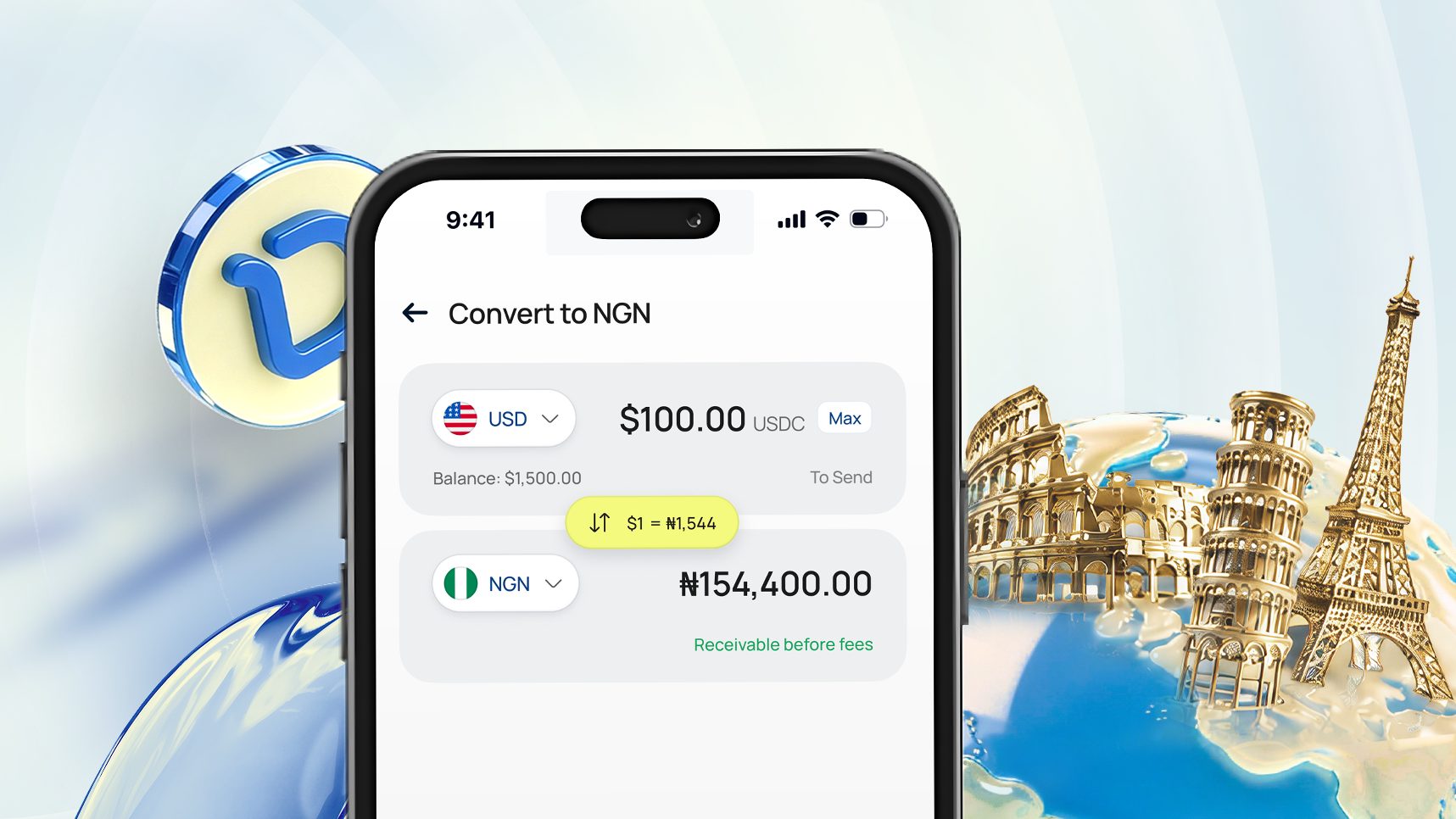
Another approach is to receive eligible payments into a dedicated USD wallet and decide when you want to convert.
With OneDosh, eligible users can:
This can make your payment setup more straightforward, without requiring you to rely on informal arrangements every time you get paid.
You do the work.
Your client pays you.
And you have a clear, reliable way to manage what you've earned.
For freelancers, remote workers and creators working across borders, the right financial setup can mean less time figuring out how to receive your money and more time focusing on the work that earns it.
Explore OneDosh and see how eligible users can receive and manage USD alongside their Naira.